Questions to Ask Before Hiring a Remodeler
A Discerning Homeowner’s Guide to a Refined Remodeling Experience

A quality home deserves a thoughtful, expertly executed renovation.
Whether you are planning a kitchen remodel in Northern Virginia, a spa-level bathroom transformation, or a whole-home renovation, the remodeler you select will shape not only the outcome — but the experience itself.
Exceptional remodeling is about more than construction. It’s about communication, craftsmanship, and a process designed for discerning homeowners who value quality.
Before committing to a contractor, here are the essential questions to ask.
1. Are you properly licensed and fully insured in Virginia?
Any professional remodeler in Northern Virginia should carry:
- Active Virginia licensing (License Lookup is free through the DPOR)
- General liability insurance
- Workers' compensation insurance
This protects your home, your finances, and your peace of mind.
A reputable remodeling company will easily provide documentation. If they hesitate, or try to convince you it's not necessary, consider it a red flag.
Fun Fact: hiring an unlicensed contractor has some pretty scary consequences:
- No protection if the work is incomplete or poor quality. Virginia only provides help for issues with licensed contractors
- Financial risk: spending far more correcting bad work than if they hired a pro from the start
- Insurance may not cover damages if done by an unlicensed person
- Liable for injuries if the contractor or company is injured and lack the proper insurance
- Cut corners can lead to failed inspections, unsafe living conditions, and/or mandatory tear-outs
- Unpermitted/substandard work can delay a sale, reduce your home's value, or force costly corrections before closing
2. Do you specialize in full-service remodeling?
Full service remodeling requires a different level of execution. Ask:
- How many projects like mine have you completed in Northern Virginia?
- Can I see some examples of local projects you've completed? (Pro tip: they shouldn't all be recent. You'll want evidence of longevity of both the company and their work. Ask for references for projects that are 5-10 years old)
An experienced remodeler understands structural considerations, material performance, and the expectations of high-end homes in areas like Fairfax County, Loudoun County, and Prince William County
3. What is your Remodeling Process?
Premier remodeling firms follow a refined, predictable system. This often includes:
- In-depth consultation. This may start on the phone, or even in person. Pay attention to the quality of the questions and the depth of your conversation.
- Design planning and selections guidance. It shouldn't all be on you! Your remodeler should be part of this process too
- Detailed scopes and specifications. This might not be up front, or may require an agreement. Remember--you're getting their professional time and expertise!
- Permit management. You should not be pulling any permits; licensed pros should pull permits under their own license for your protection.
- Professional project management: learn who will be managing your project. Have they been with the company long? Is it the same person from start to finish? Can I communicate with them directly?
- Final walkthrough and quality assurance: what does the process look like, and how do you ensure you're satisfied before making a final payment?
A clear process signals professionalism. A vague one signals risk.
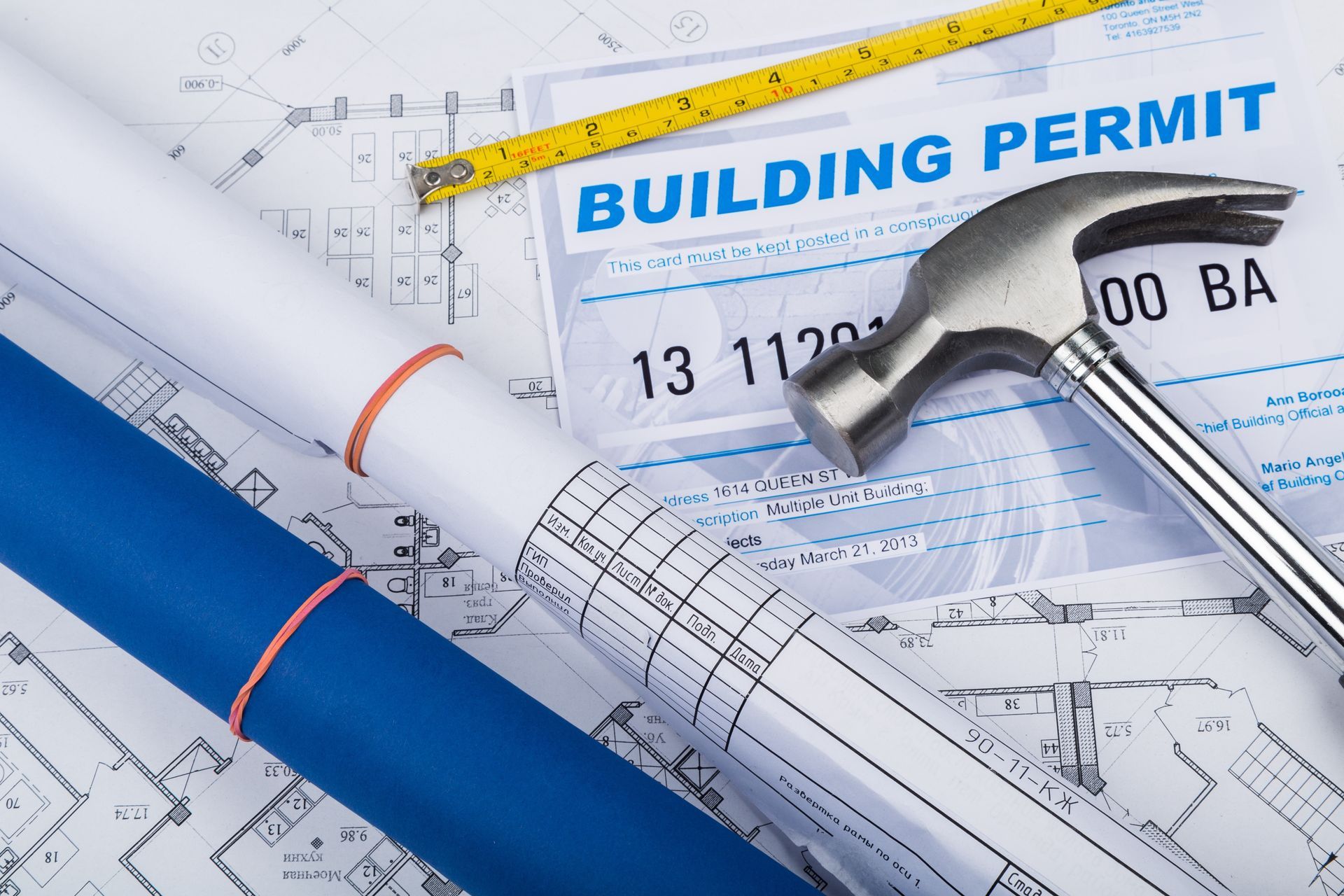
4. Will you Handle the Permit Process?
In Northern Virginia, many remodeling projects require permits and inspections.
A qualified remodeler should:
- Understand county-specific code and permitting requirements. In Northern Virginia, they should be licensed in any county in which they perform work and should have a complete understanding of their individual permitting requirements.
- Manage the permitting process. Qualified remodeling contractors should always have their name on your permits. If you are expected to be the person on record for your permit, you are held liable for any issues that arise. A contractor should utilize their own license for general remodeling work, and specialized license holders will be listed on your permit for any electrical and plumbing work. This should all be managed by your general contractor; you shouldn't have to worry about it!
- Ensure compliance with current Virginia building codes. Experienced contractors know them well and stay up to date on recent changes. Compliance will be reflected in your inspections as well.
Proper permitting protects your home’s value and avoids issues during resale.
5. Who Will Manage my Project?
A quality remodeling experience should feel organized and well-run.
Ask:
- Will I have a dedicated project manager? You should work with the same person from start to finish, and that includes the design and selection process. This ensures a smooth process when everyone is on the same page. Ask how long they've been with the company and ask for references from clients who have worked with them.
- How often will I receive updates? Will they be communicating with me throughout, or just at certain points. Am I able to communicate with them when I have questions or concerns as well?
- What is your communication style? Knowing how you will be communicating (email, phone, text, etc) will help you to make a decision as well.
Quality companies prioritize proactive communication and client experience. These are excellent questions to ask the references you speak to as well. The management of the project is often where many companies cut costs, and this comes at the expense of the homeowner. While the end result does matter, the process matters just as much. Don't overlook the value of excellent management.
6. How are Change Orders Managed?
In quality remodeling experiences, changes can sometimes be inevitable. While the initial inspections of the space should avoid most obstacles, nothing is certain until the remodeling begins.
Pro Tip: when the person who manages the project is also the person who does the estimate, inspection, and design experience with you, the project is likely to run much smoother. It also helps avoid any big surprises. Often, sales people and bigger companies will undersell a project to land a contract, and then the contractor will present expensive change orders down the line. Working with an experienced project manager from start to finish will help eliminate most surprises.
Licensed contractors in Virginia are required to provide written change orders for all adjustments or additions made outside of your initial scope of work. A written change order should outline:
- Scope changes (what's being added, changed, or removed)
- Investment changes (what it will cost)
- Timeline impacts (how your project timeline will adjust in light of these changes)
This ensures clarity and preserves trust.
7. What Exactly is Included in your Estimate?
An estimate won't outline every single detail of your project, but it should be clear about what is being proposed. The process should be interactive, include discussions, and give you a chance to make changes before your final contract. An estimate is not required to be written, so talk to the contractor to learn more about their process.
When discussing your estimate with the contractor, ask about:
- Design and planning services: what is included? What does the process look like?
- What material allowances are included in this estimate? Make sure they align with what you're looking for
- Demolition and disposal: who is doing the demolition, and how will the materials be disposed? Is that included?
- Protection and cleanup: how will your home be protected, and how often is it cleaned?
- The scope: is everything you asked for included, or were things left out to stay within budget?
Clear communication during this process will eliminate most unwelcome surprises.
8. What is Your Payment Structure?
This should also be outlined in your contract, but it's important to discuss it long before the ink is dry. Virginia law allows up to 30% of the project price to be required as a deposit, with the exception of special order materials.
The DPOR recommends a milestone-based payment scheduled that's tied to project progress. It may look something like:
- 30% deposit at contract signing
- 20% at material delivery
- 20% at cabinet installation
- 30% at final walkthrough for project completion
When still in the selection phase of choosing your contractor, this is an important question to ask. It's even more important, and required by law, to include it in your final contract before the project begins.
9. What Timeline Should I Expect?
Fine craftsmanship takes time, but fine project management minimizes it as much as possible. Experienced contractors will be able to determine how long a project will take, and should be able to outline why: it's recommended you hear them out! A common sales tactic among some companies is to underestimate the timeline to sell the job, and then find reasons to extend it after the ink is dry.
Ask:
- When can you begin? If a contractor is booked out a year, this can indicate an overloaded schedule. It also poses a risk of delaying your start date. A delay in any one of those projects means a snowball of delays down the line.
- What is the realistic duration? Once they provide it, ask them to walk you through it. Take notes, and compare answers among contractors. This is a great way to learn what steps a company may be skipping or where corners are cut.
- What factors influence timing? Learn what could delay the start of your project, what material orders have longer lead times, or what could cause it to take longer than expected.
Experienced contractors know timelines like the back of their hand. When you talk to their references, learn more about how well they stayed on schedule or what mistakes may have delayed the project.
10. Who Will be in my Home?
Privacy and professionalism are hallmarks of a quality remodeling company.
This is your opportunity to learn more about the tradespeople who will be doing the work and learn more about the team.
A common question contractors receive is whether they employ their own crews, do the work themselves, or hire subcontractors. Let's break that down:
- Solo Operators: Contractors who perform all of the work themselves, with perhaps an assistant
- Pros: lower costs are passed down to the homeowner, & you'll always be able to communicate directly with the person doing the work
- Cons: takes much longer, they're likely not specialized license holders (plumbing, electrical, HVAC, etc), and will likely lack specialized knowledge
- In-House Crews: Contractors who hire their crews full time direct employ the people who will be working in your home
- Pros: consistent work from job to job, direct internal communication means smoother project, employees are trained to the company's standards
- Cons: High overhead is passed to the homeowner, employees are likely not trained specialists, long wait times for projects
- General Contractors: Contractors who hire qualified subcontractors:
- Pros: contractor has access to trade specialists, have access to options to keep costs lower, multiple crews can work at once, typically shorter timelines
- Cons: the quality of the project manager impacts the experience, so mismanagement can lead to delays.
Figure out how your contractor operates. Ask plenty of questions and verify their answers with the references you speak to.
The structure itself isn’t what determines success. The quality of the contractor’s systems is what matters. A well-run subcontractor-based company can outperform an in-house crew—and vice versa.
11. How Do you Protect my Home During Construction?
Let's face it: remodeling your home is invasive. While this is less impactful for a quick project, multi-day and multi-week projects can take their toll. You'll want to learn more about how your home is protected throughout the process.
You'll want to see:
- Dust containment systems
- Floor and surface protection
- Daily job site organization
- Respectful crews
12. Do you Provide any Warranties?
Confidence in craftsmanship is a hallmark of premium remodelers. They should know about the warranty provided by their material manufacturers, and should be able to tell you how long they warranty their work.
Pay special attention to how they plan to handle appliance warranties, if applicable. If they supply the appliances, you'll need to go through the for any warranty issues.
13. Can You Provide References from Northern Virginia Clients?
Just because a contractor has hundreds of reviews doesn't mean they provide quality work. Statistically, reviews are written very soon after a project is completed; they can also be purchased for a relatively low cost. You want a contractor with longevity. Ask for references ranging from newly completed projects to 10+ years ago.
Red flags:
- All references are recent. Either their work doesn't hold up, or they lack experience. Decide if you'd like to be their practice. Often times this comes with a lower price tag, and so you'll need to decide if it's worth the risk.
- References are out of state. Some companies, called "stormers" in the industry, move into town when weather events happen and essentially rent the license of a local company. They'll blow in and out of town, and will not stand behind their rushed work. Be wary of a company who knocks on your door and pressures you into a sale. Just say no.
Look for consistent feedback about:
- Professionalism
- Communication
- Cleanliness
- Timeliness
- Overall Experience
Clients who have hired the contractor for multiple projects over time are what we call a green flag.
A Thoughtful Renovation Starts With the Right Partner
Your home is one of your most significant investments. Remodeling it should feel exciting, not stressful.
The right Northern Virginia remodeler will guide you with clarity, respect your home, and deliver craftsmanship that endures.

Considering a Remodel in Northern Virginia?
If you are planning a kitchen remodel, bathroom renovation, or whole-home update in Northern Virginia, our team is here to help.
We specialize in:
✔ Custom residential remodeling
✔ Clear, professional communication
✔ Detailed planning and execution
✔ A refined client experience from start to finish
Schedule a consultation to begin your remodeling journey with confidence.